


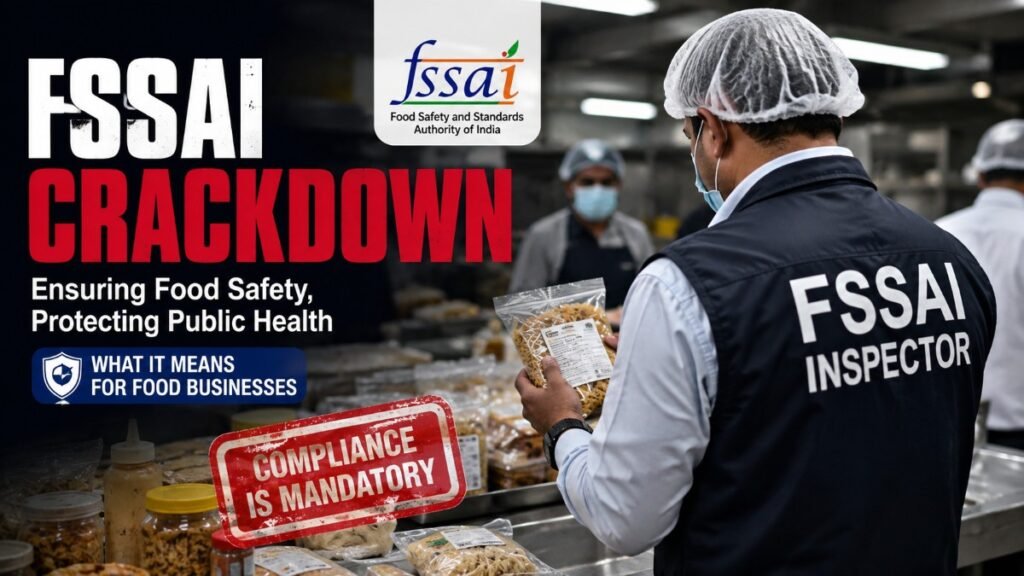
In early August 2026, the Food Safety and Standards Authority of India (FSSAI) issued prohibition-of-sale orders against select variants of several popular brands. The core complaint? Manufacturers were allegedly starting with neutral or extra-neutral alcohol (essentially a flavourless base spirit) and then adding artificial or “nature-identical” flavours that mimic the very character of rum or whisky. FSSAI’s take is blunt; there is no internationally recognised manufacturing practice of adding “rum flavour to rum” or “whisky flavour to whisky.” Those distinctive notes are supposed to develop naturally through distillation from molasses/malt/grapes and proper maturation.
The regulator also flagged misleading age claims. Under the Food Safety and Standards (Alcoholic Beverages) Regulations, 2018, any age stated on a blend must reflect the youngest spirit in the mix, not the oldest or some average. One high-profile example: certain Old Monk XXX variants labelled as “7 years’ blended” were found to contain mostly unmatured neutral spirit, with the matured rum component under 5%. FSSAI argued this misleads consumers about what they’re actually drinking.
The Brands and Companies in the Spotlight
This wasn’t a total ban on entire brand families, only specific variants from particular manufacturing units:
- Old Monk (The Legend, Gold Reserve, XXX Matured Rum), made by Mohan Rocky Springwater’s Khopoli unit in Maharashtra. Old Monk remains a cultural icon, long associated with Mohan Meakin (the broader group). The parent Mohan Meakin Limited reported revenue of around ₹2,167 crore in FY25, with Old Monk as a major volume driver that has staged a strong comeback in recent years (sales volumes reportedly climbing significantly from earlier lows).
- McDowell’s No. 1 Rum, Antiquity Blue Whisky, and Royal Challenge Whisky, from United Spirits (Diageo’s Indian arm). United Spirits is the heavyweight here: consolidated revenue from operations crossed ₹27,800 crore in FY26, with the Prestige & Above segment dominating. The company has already moved the Bombay High Court challenging aspects of the order, arguing its labels comply with existing rules and long-standing industry practice.
- Bagpiper Deluxe Whisky and Old Cask Deluxe XXX Rum, from Inbrew Beverages (Madhya Pradesh units). Inbrew, which acquired a large portfolio of mass-market spirit brands from United Spirits a few years ago, reported revenue of roughly ₹9,300–9,400 crore in FY25 (including significant excise components).
- Central Province Whisky and McDowell’s No. 1 Celebration Matured XXX Rum, linked to Associated Alcohols & Breweries (Madhya Pradesh). This listed company posted revenue of about ₹1,019–1,076 crore in recent fiscal years, with a growing proprietary IMFL business alongside contract manufacturing.
FSSAI has stressed this is not a ban on all flavourings. Coffee, vanilla or other permitted natural flavours with a genuine technical purpose are still allowed. The objection is specifically to adding the spirit’s own defining character artificially and then selling the product as standard “rum” or “whisky” without clear front-of-pack disclosure that it is essentially a flavoured spirit.
Why It Matters?
For consumers, the issue is transparency. Many of these are affordable, high-volume “popular” or mid-tier brands that form the backbone of India’s spirits market. If the taste comes more from added flavour compounds than from ageing and base ingredients, buyers deserve to know, ideally by labelling them as “rum-flavoured spirit” or similar, as FSSAI has suggested for non-compliant products.
Companies argue that the practices align with long-standing Indian regulations and industry norms and that the products remain safe. Some units have already secured conditional relief allowing the sale of existing stock with clearer labelling, while future production must change. Further notices and sampling continue in other states.
The crackdown fits a broader FSSAI pattern in 2026 of tightening claims across food and beverages, from “100%” pure claims on ghee and honey to energy-drink naming. In the liquor space, it raises bigger questions about what “standard” Indian Made Foreign Liquor really means in a market that has long balanced tradition, cost, and consumer expectation.