


In India, stories of fake doctors practicing medicine without qualifications have long made headlines, endangering lives in rural and urban areas alike. But a lesser-discussed threat lurks in our pharmacies: unqualified individuals dispensing medicines, often with forged credentials. Yes, India does have fake pharmacists, and the consequences can be just as grave—wrong dosages, counterfeit drugs, or improper advice that jeopardizes patient safety.
While fake doctors grab more attention due to high-profile cases, fake pharmacists pose a silent but significant risk. Recent busts, particularly in Delhi in 2025, exposed massive rackets involving forged pharmacy registrations. The Delhi Anti-Corruption Branch arrested dozens, including former officials of the Delhi Pharmacy Council, for issuing fake certificates to unqualified individuals running chemist shops. Some “pharmacists” hadn’t even completed basic schooling, yet they dispensed critical medications.
Similar issues persist across states. In Assam, authorities have identified and canceled registrations of thousands of dubious pharmacists over the years, with reports of illegal pharmacies operating without qualified staff, especially in remote areas.
The Assam Circular: A Step Towards Accountability
A key example of governmental effort to curb malpractices comes from Assam. In 2019, the Food Safety and Drug Administration issued a circular highlighting violations of Drugs Rules, 1945, specifically Rule 65(2), which prohibits a registered pharmacist from engaging in dual full-time employment—such as working in a government or institutional pharmacy while simultaneously running or being employed full-time in a private retail pharmacy.
The circular noted that many registered pharmacists were violating this by lending their names to multiple retail outlets or holding multiple full-time jobs. It directed such pharmacists to withdraw from one engagement within seven days, warning of legal action for violations. This measure aims to ensure that a qualified pharmacist is physically present and dedicated to dispensing duties, preventing absenteeism and proxy operations that open doors to unqualified staff.
Such norms reflect a broader push to verify appointments and certificates, addressing concerns over fake or misused credentials in pharmacist hiring.
Ensuring Genuine Pharmacists: The Role of Education and Admission
To combat fake qualifications at the root, robust admission processes are crucial. In Assam, Srimanta Sankaradeva University of Health Sciences (SSUHS) plays a pioneering role as the state’s premier health university, overseeing admissions to pharmacy courses like D.Pharm and B.Pharm.
SSUHS conducts entrance examinations for these programs, ensuring merit-based selection and standardized quality. Affiliated institutions follow strict guidelines from the Pharmacy Council of India (PCI), maintaining educational standards that produce genuinely qualified pharmacists.

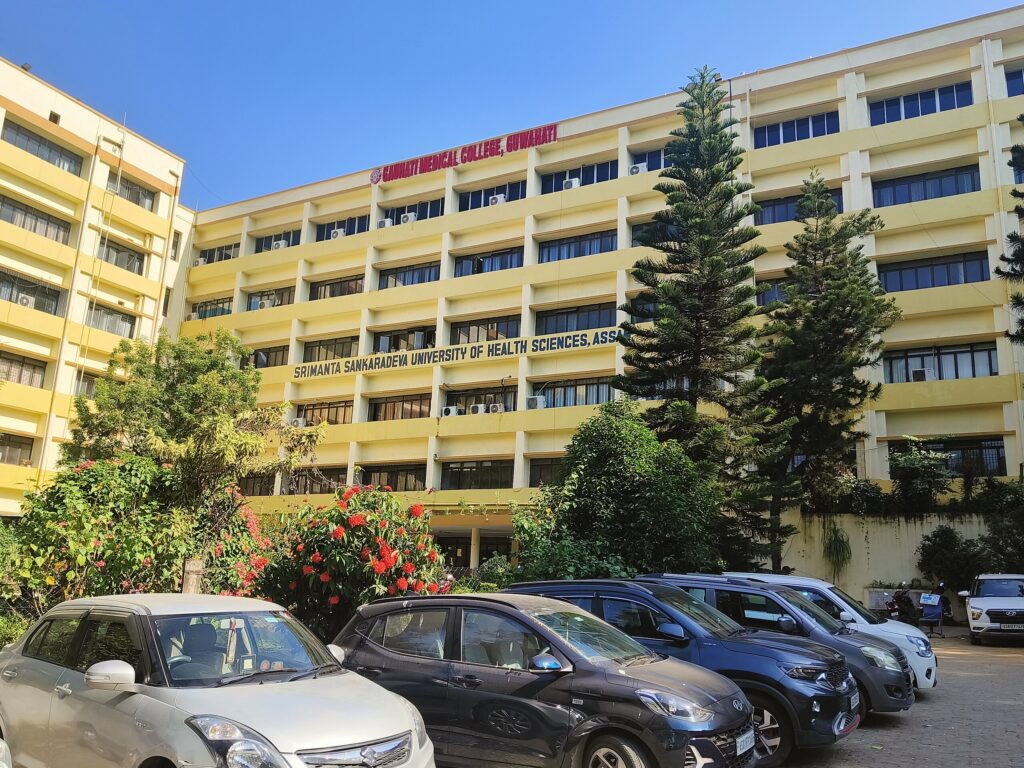


This structured admission and affiliation system helps filter out unqualified candidates early, contributing to a more reliable pool of registered pharmacists.
The Broader Picture: Why This Matters
Pharmacists are the gatekeepers of medicines. A qualified, present pharmacist can counsel patients, check for interactions, and spot counterfeits. When fakes or absentees take over, public health suffers.
Nationwide, the Pharmacy Council of India continues to tighten regulations, including checks on faculty credentials and attendance to prevent ghost profiles. States like Assam are leading with proactive circulars and verifications.







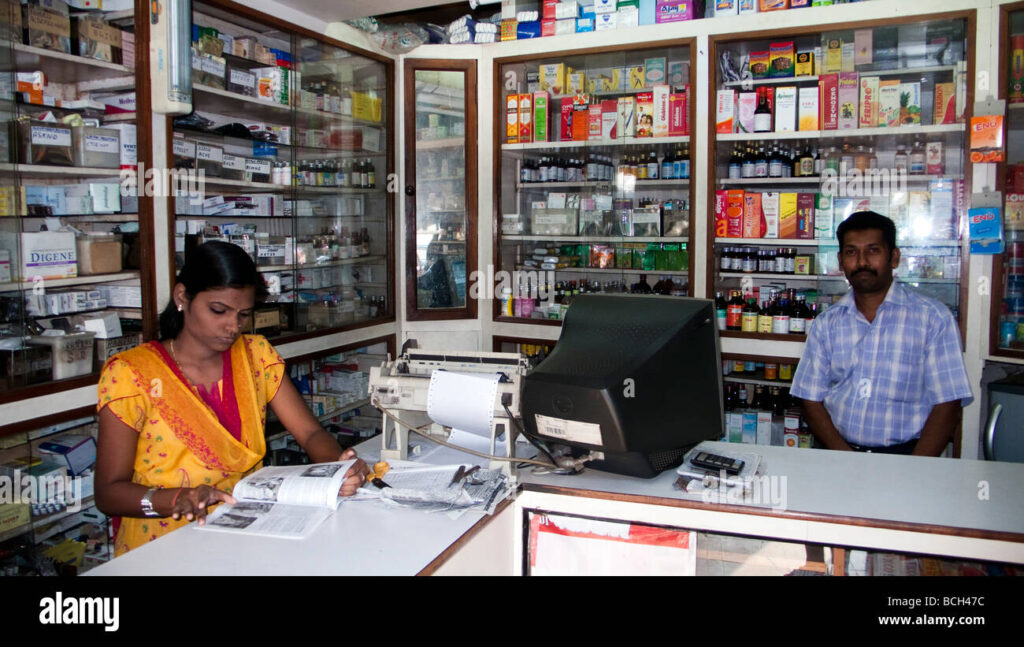
As patients, we must demand to see the pharmacist’s registration and report suspicions. Together with stronger enforcement and institutions like SSUHS upholding standards, we can build a healthcare system where trust in both doctors and pharmacists is well-placed.
India’s battle against fake practitioners—whether doctors or pharmacists—is ongoing, but proactive steps like Assam’s norms offer hope for safer, more accountable pharmaceutical care.