


In a bold and controversial move that has sent shockwaves through the international community, the United States has formally withdrawn from the India and France-led International Solar Alliance (ISA), along with 65 other international organizations. This decision, enacted through an executive order signed by President Donald Trump on January 7, 2026, marks a significant shift in US foreign policy, prioritizing national sovereignty and economic efficiency over multilateral engagements. The withdrawal encompasses a wide array of bodies, many tied to the United Nations, and has sparked debates on its ramifications for global climate action, renewable energy initiatives, and bilateral relations, particularly with India.
This blog post delves into the details of this sweeping exit, exploring the background of the ISA, the rationale behind the US decision, the financial savings for American taxpayers, the specific implications for India, and the broader geopolitical and environmental consequences. As we unpack this development, it’s clear that while the US aims to reclaim control over its resources, the move could reshape the landscape of international cooperation on pressing issues like climate change.
Details of the US Withdrawal
President Trump’s executive order, signed on January 7, 2026, directs the suspension of US participation and funding in 66 international bodies—31 linked to the UN and 35 independent organizations.

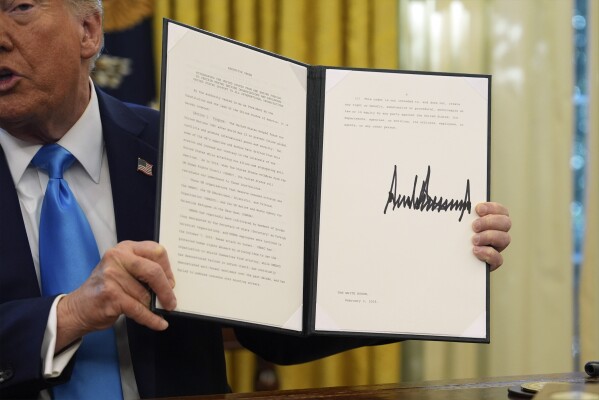
This includes key climate and energy platforms such as the ISA, the Intergovernmental Panel on Climate Change (IPCC), the International Renewable Energy Agency (IRENA), and the International Energy Forum. Other affected entities span UN agencies on development (e.g., UN Population Fund, UN Women), trade (e.g., certain WTO-affiliated groups), peacebuilding (e.g., UN Peacebuilding Fund), and migration forums.
The order mandates immediate steps by US executive departments to cease involvement, effectively ending financial contributions and technical support. This move aligns with Trump’s “America First” agenda, which he has championed since his first term. The White House described the organizations as “wasteful, ineffective, or harmful,” arguing that they impose undue burdens on US industries and advance “globalist agendas” misaligned with American priorities.
Climate-focused bodies were particularly targeted, reflecting the administration’s skepticism toward international climate frameworks. The US also became the first nation to exit the UN Framework Convention on Climate Change (UNFCCC) as part of this package. This is not Trump’s first foray into such withdrawals; during his 2017-2021 presidency, the US exited the Paris Agreement and UNESCO, among others.
US Justification for the Withdrawals
The Trump administration has framed the decision as a necessary step to protect national sovereignty, enhance economic competitiveness, and ensure efficient use of taxpayer dollars. Official statements from the White House and State Department highlight concerns over “mismanagement” and “ideological bias” in these institutions. For example, the ISA and similar bodies are criticized for promoting regulations that could hinder US fossil fuel industries, despite their focus on renewables.
Critics within the US, including environmental groups and Democrats, decry the move as shortsighted, arguing it diminishes American influence on global standards and allows rivals like China to fill the void. Supporters, however, see it as a pragmatic realignment, freeing up resources for domestic priorities like infrastructure and defense.
Financial Savings for the United States
One of the key selling points of the withdrawal is the potential savings for US taxpayers. While exact figures for all 66 organizations are not publicly aggregated in a single document, we can estimate based on recent fiscal reports and contributions data.
For the ISA, US contributions have been relatively modest. As a developed member, the US provided an annual fee of around $50,000, plus voluntary grants totaling approximately $2.1 million in recent fiscal years, including $1.9 million in obligated funds. Withdrawing could save about $1-2 million annually from this body alone.
The IPCC, which produces authoritative climate assessments, received roughly $2 million per year from the US in recent years—down from an average of $3.1 million in the early 2000s. Savings here might amount to $1.5-2 million yearly.
IRENA, focused on renewable energy data and policy, saw US contributions of about $4.2 million in FY23. Exiting could reclaim around $4 million annually.
For UN-linked bodies, the US is the largest contributor to the overall UN budget, paying about $13 billion in 2023, including assessed and voluntary dues. However, the targeted organizations are niche, so savings from the 31 UN entities might total $100-200 million per year, based on partial data from State Department reports. Non-UN bodies like the ISA and IRENA add another $50-100 million.
Overall, conservative estimates suggest annual savings of $200-500 million, though some analysts argue the figure could be higher when including indirect costs like staff time and travel. The administration plans to redirect these funds toward domestic energy independence, border security, and tax cuts, potentially boosting economic growth.
However, critics note that these savings are a drop in the bucket compared to the US federal budget (over $6 trillion) and could cost more in lost influence and future global instability.
Background on the International Solar Alliance
The International Solar Alliance was launched in November 2015 during the UN Climate Change Conference (COP21) in Paris, as a joint initiative by Indian Prime Minister Narendra Modi and then-French President Francois Hollande. Headquartered in Gurugram, India, the ISA is a treaty-based intergovernmental organization aimed at mobilizing over $1 trillion in investments for solar energy by 2030, with a focus on solar-rich countries, particularly in the Global South.

The alliance’s mission is multifaceted: it seeks to reduce the cost of solar technology and financing, promote solar deployment in developing nations, and foster international collaboration to address energy poverty and climate change. As of 2026, the ISA boasts over 120 member countries, with the US having joined as a founding member in 2016 under the Obama administration. The organization has been instrumental in initiatives like the “One Sun, One World, One Grid” project, which envisions a global interconnected solar energy grid to ensure reliable and affordable clean energy access.
India has been a driving force behind the ISA, contributing significantly to its corpus fund—initially pledging $16 million and committing an additional $13 million annually from 2023 to 2025. The US, as a developed member, provided voluntary contributions, including a one-time $1 million for a ten-year partnership and grants totaling around $2.1 million in recent years. These funds supported technical expertise, project financing, and capacity-building programs in solar energy.
The ISA’s work has been pivotal in advancing solar projects worldwide, from large-scale solar farms in Africa to innovative financing models for off-grid solutions in Asia.

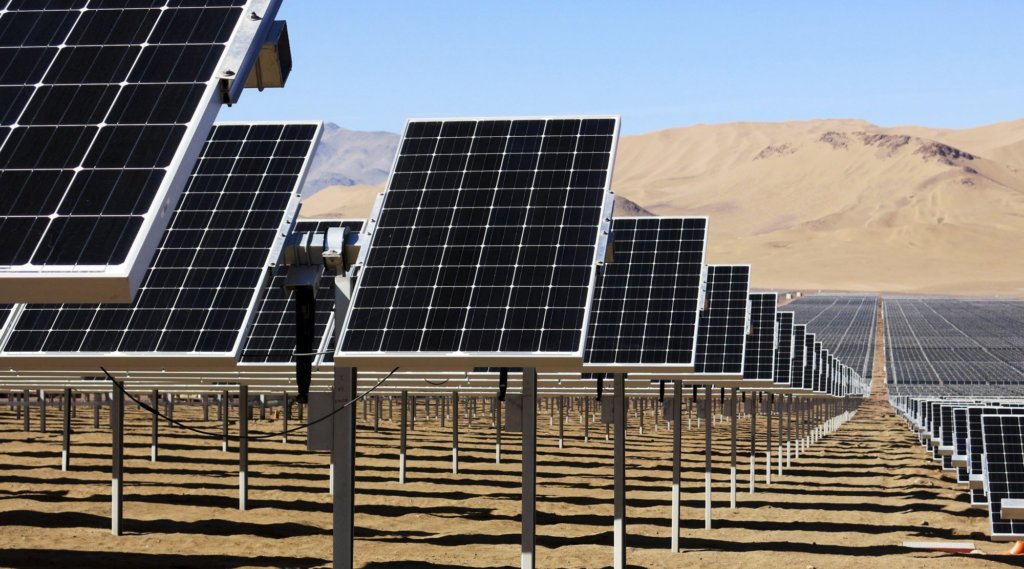
For instance, it has facilitated investments in solar mini-grids and pumped storage, helping countries meet their Paris Agreement commitments.
What It Means for India
For India, the US withdrawal from the ISA is particularly poignant, as the alliance is one of New Delhi’s flagship diplomatic initiatives. Headquartered in India and co-led by it, the ISA represents India’s leadership in global renewable energy efforts. The loss of US participation means reduced financial contributions—though modest—and the withdrawal of American technical expertise, which has been crucial for solar innovation and project scaling.
Diplomatically, this could strain US-India relations at a time when Washington seeks closer ties with New Delhi to counter China. Labeling the ISA as “wasteful” is seen by some as a “massive diplomatic unforced error,” potentially undermining trust. India may need to seek alternative partners, such as the EU, Japan, or even China, to fill the funding gap and maintain momentum in solar deployments.
On the positive side, this could empower India to assert greater leadership in the ISA, attracting more members from the Global South and accelerating its own solar ambitions under the National Solar Mission. India’s solar capacity has grown exponentially, from 2.6 GW in 2014 to over 100 GW in 2026, and the ISA has helped mobilize investments for projects like solar parks and rooftop installations.

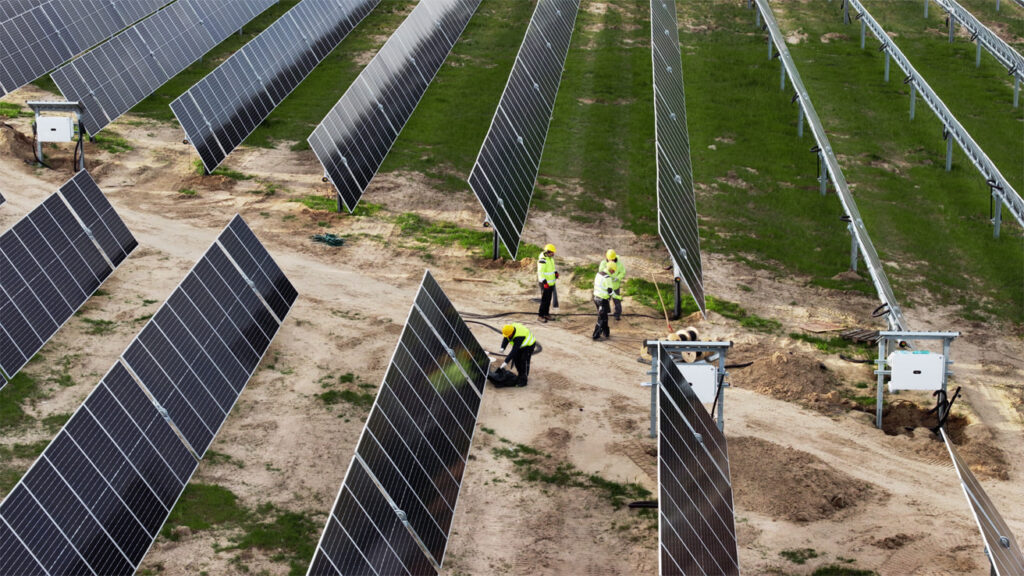
Economically, the impact on India is minimal in the short term, as US contributions were not the largest. However, it could slow global solar investment flows, affecting Indian exports of solar panels and technology. Broader withdrawals from UN bodies like WHO and UNESCO might indirectly affect collaborative programs in health and education, where India benefits from international funding.
Reactions in India have been mixed. Government officials have downplayed the move, emphasizing the ISA’s resilience, while experts warn of reduced global cooperation on climate goals. Prime Minister Modi’s administration is likely to rally other members to compensate, potentially strengthening ties with France and the EU.
Broader Global Implications
Globally, the US exit from these bodies could hinder collective action on climate change. The IPCC’s scientific assessments, IRENA’s renewable data, and ISA’s solar initiatives are vital for informed policymaking. Without US input, reports might lack balance, and rivals could dominate narratives.
For renewable energy, the withdrawal comes amid record global investments—$807 billion in 2024 for renewables alone. However, it risks fragmenting efforts to triple renewable capacity by 2030, as per IRENA’s goals.
Geopolitically, this signals US isolationism, potentially benefiting China, which is expanding its influence in green tech. Europe and allies may bear more financial burdens, as noted in analyses: “The bills do not vanish. They move.”
Environmentalists fear setbacks in climate justice and energy transitions, with experts calling it “embarrassing” and damaging to US credibility.
Conclusion
President Trump’s withdrawal from the ISA and 65 other organizations is a pivotal moment in international relations, reflecting a prioritization of domestic interests over global multilateralism. While it promises modest financial savings—potentially $200-500 million annually—and asserts sovereignty, the long-term costs in influence, climate progress, and alliances could be far greater.
For India, this is both a challenge and an opportunity to lead the solar revolution independently. As the world grapples with climate urgency, the need for collaborative platforms like the ISA remains undiminished. Whether this move strengthens or weakens global efforts will unfold in the coming years, but one thing is certain: the sun will continue to shine, and so must our commitment to harnessing it sustainably.