
Sanchar Saathi Saga: Decoding India’s Latest Tech Privacy Drama
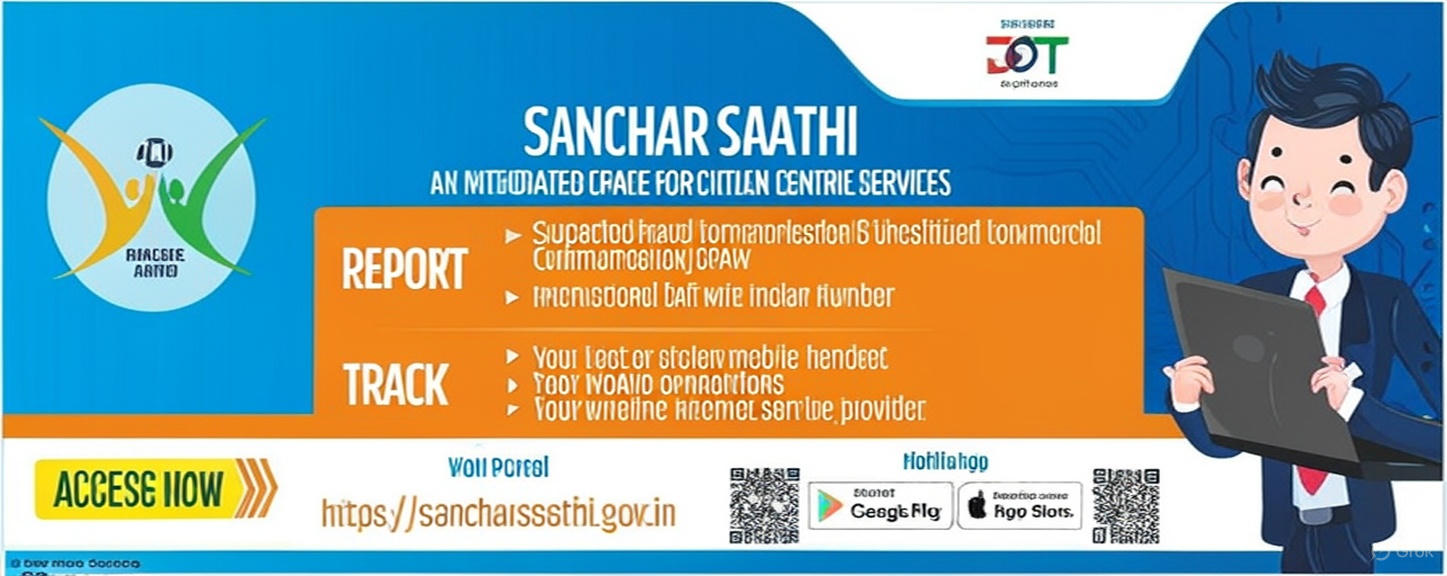
In the ever-evolving dance between technology, privacy, and government oversight, India’s Department of Telecommunications (DoT) just stepped on a few toes—and then quickly backed away. On November 28, 2025, the Government of India (GOI) issued a directive mandating that all smartphone manufacturers pre-install the “Sanchar Saathi” app on new devices sold in the country. Barely a week later, amid a storm of criticism from privacy advocates, opposition politicians, and even tech giants like Apple, the order was withdrawn. What started as a well-intentioned push for cybersecurity has sparked debates on surveillance, user autonomy, and state overreach. In this post, we’ll unpack the app, the order, the backlash, expert takes, and what the government’s real game plan might be.
What Exactly is Sanchar Saathi?
At its core, Sanchar Saathi is a citizen empowerment tool launched by the DoT under the broader “Sanchar Saathi” platform. Think of it as a digital watchdog for your phone: the app (available on Android and iOS, plus a web portal at www.sancharsaathi.gov.in) lets users report suspicious fraud communications—like scam calls, SMS phishing, or WhatsApp impersonations pretending to be from banks, police, or even the government itself. It also helps track and block lost or stolen devices using the International Mobile Equipment Identity (IMEI) system, alerting authorities if the device resurfaces on any telecom network.
The app’s features sound benign: verify your IMEI’s authenticity, report cybercrimes in real-time, and contribute to a national database fighting telecom fraud. As of early December 2025, it boasts over 1.4 crore (14 million) downloads, with users flagging around 2,000 fraud incidents daily. Telecom Minister Jyotiraditya Scindia has repeatedly stressed that it’s “not a snooping tool”—users must register to activate it, and they can uninstall it anytime. In theory, it’s all about “Jan Bhagidari” (people’s participation) in building a safer digital India.
But here’s the rub: embedding it at the system level raised eyebrows. Critics worried about “function creep,” where an app starts with fraud reporting but evolves into something more intrusive, like constant background data collection.
The Order: A Bold Move or a Privacy Power Grab?
The November 28 directive was straightforward and sweeping: Every smartphone manufactured or imported into India—from budget Androids to premium iPhones—had to come pre-loaded with Sanchar Saathi. It needed to be front-and-center during device setup, non-disableable in its core functions, and pushed via updates to existing stock within 90 days. Manufacturers like Samsung and Apple were given 120 days to report compliance.
Why now? India, with over 85% of households owning smartphones as per a May 2025 MoSPI survey, is a hotbed for telecom scams—think fake KYC calls or investment frauds raking in billions annually. The GOI framed this under the Telecom Cyber Security Rules, arguing it would accelerate adoption among less tech-savvy users and plug gaps in IMEI tampering and fraudulent connections. In essence, it was a top-down nudge to make cybersecurity as ubiquitous as Google apps.
Yet, the timing felt off. This echoes past controversies, like the 2020 Aarogya Setu COVID app, which ballooned into a privacy nightmare with mandatory downloads in some sectors. Tech firms balked: Apple flat-out refused, citing global privacy standards, while Samsung mulled its options. Original Equipment Manufacturers (OEMs) fretted over bloatware complaints and supply chain disruptions.
The Backlash: Snooping Fears and a Swift U-Turn
The order ignited a firestorm. Opposition voices, including Congress MP Deepender Singh Hooda and AICC General Secretary Priyanka Gandhi, branded it a “snooping app” and “ridiculous” intrusion into personal devices. Andhra Pradesh Congress even hailed the eventual withdrawal as a win against overreach.
Privacy watchdogs piled on. The Internet Freedom Foundation (IFF) called it a “deeply worrying expansion of executive control,” disproportionate to its goals and a direct assault on user autonomy. The Software Freedom Law Centre warned of a “slippery slope” toward 24/7 state surveillance, minus any public debate or consent.
By December 3, the pressure cooker popped. The Ministry of Communications revoked the mandate, making pre-installation optional. In Parliament, Scindia quipped, “We are not fixated over it,” pointing to a 10x surge in voluntary downloads (6 lakh in a single day) as proof of concept. The official line? The app’s organic growth—fueled by awareness campaigns—rendered compulsion unnecessary.
Experts Weigh In: Good Intentions, Shaky Execution
Cybersecurity pros and policy wonks largely agree the idea behind Sanchar Saathi is solid. In a fraud-riddled ecosystem, tools like IMEI verification and real-time reporting are vital. But the how? That’s where the knives come out.
K.B.S. Sidhu, a former IAS officer and privacy commentator, argues in The Print that good intentions don’t excuse state overreach. The mandate flunks India’s Supreme Court privacy test from the Puttaswamy judgment: It’s not the “least intrusive” option when voluntary promotion, stricter KYC, or network-level blocks could suffice. Sidhu flags “function creep” as the big bad wolf—today’s fraud reporter could morph into tomorrow’s data hoover, accessing call logs, SMS, or even camera feeds without a peep. He likens it to Aadhaar’s centralized risks or Pegasus spyware scandals, eroding trust in state tech.
Digital rights groups echo this. IFF’s Apar Gupta notes the app’s deep device access (e.g., to storage and identifiers) creates an uneven trade-off: minor convenience for major privacy erosion. On the flip side, some telecom analysts see the withdrawal as pragmatic politics—avoiding a pre-election PR disaster (Lok Sabha polls loom in 2029). One unnamed expert in Business Standard suggested OEM reluctance stemmed from fears of user backlash against “bloatware,” potentially fragmenting the market into compliant vs. non-compliant devices rife with malware.
Government intentions? Officials insist it’s pure altruism: Democratize cybersecurity for the masses, especially rural or elderly users wary of apps. Scindia’s “Jan Bhagidari” rhetoric paints it as collaborative, not coercive. But skeptics smell administrative laziness—a quick fix for DoT’s enforcement woes, bypassing slower reforms like better fraud detection at the carrier level.
Looking Ahead: Lessons from the Flip-Flop
This whole drama perfectly sums up India’s tech story: big Digital India dreams vs. fierce privacy warriors. The government blinked first, proof that loud public outrage can still slam the brakes on overreach.
But the big questions remain: Will 5 crore Indians actually download Sanchar Saathi on their own? And next time, will there be real checks, like independent audits or expiry dates on such rules?
Download the app if you want (it’s genuinely handy against scams), but keep your eyes open. And for the government: In today’s world, consent isn’t just nice-to-have, it’s the OS. No consent, no trust, full system crash. 🚨💥