The IndiGo Crisis: A Wake-Up Call for India’s Aviation Sector
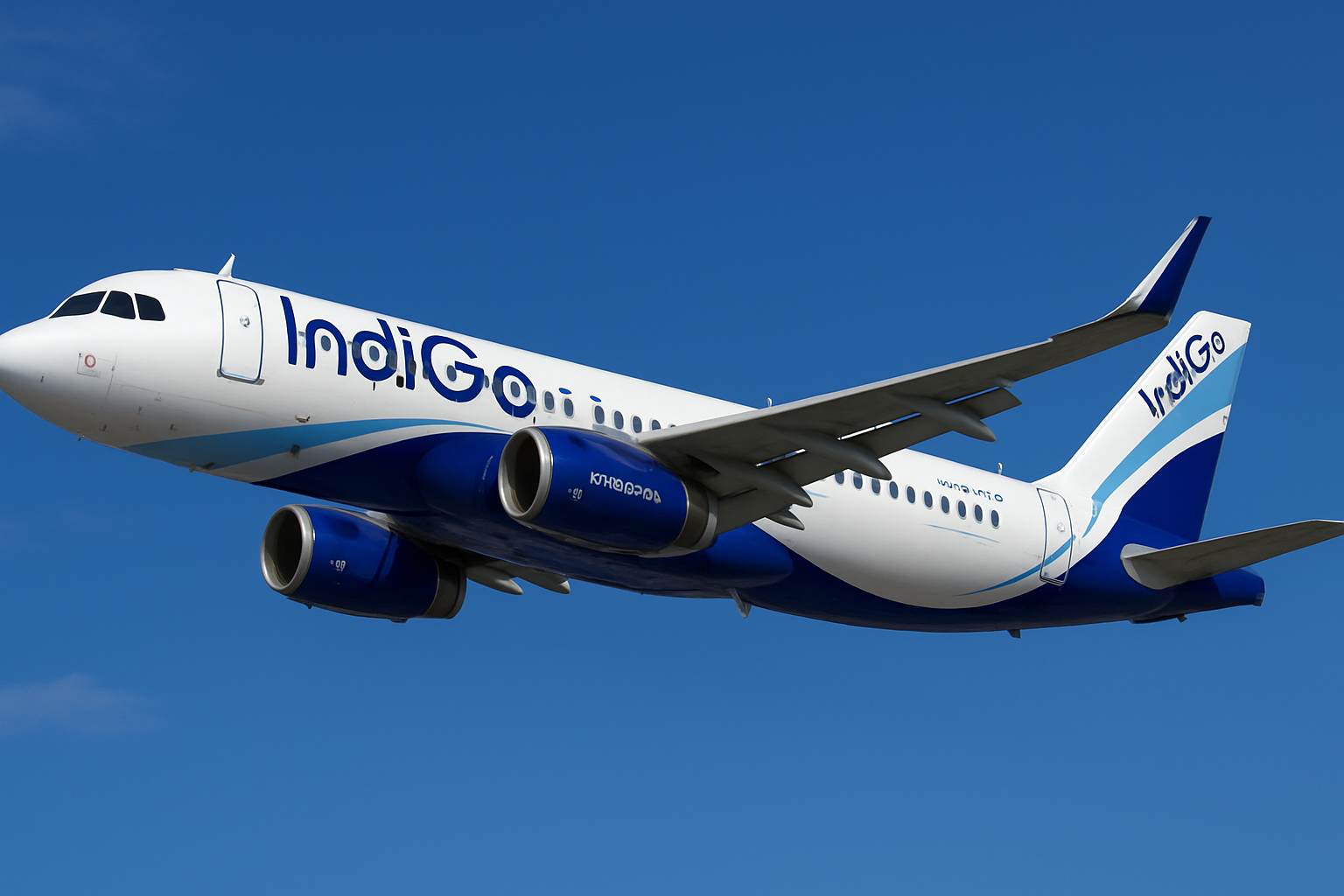
As the festive and wedding season peaks in December, India’s skies should be buzzing with travelers heading home or to celebrations. Instead, the nation’s largest airline, IndiGo, has plunged into its worst operational meltdown in two decades, canceling over 4,500 flights since December 2, 2025. This chaos has stranded thousands at airports, spiked airfares to exorbitant levels, and exposed deep-rooted vulnerabilities in the sector—from pilot fatigue regulations to market dominance. What began as a roster planning failure has snowballed into a national crisis, prompting swift government intervention, regulatory scrutiny, and political backlash.
In this blog, we’ll unpack the crisis, dissect the new norms at its heart, compare them to outdated standards, and explore the ripple effects on passengers, airlines, and the economy. Drawing from official statements, regulatory filings, and expert analyses, we’ll stick to verified facts to separate hype from reality.
The IndiGo Meltdown: What Happened and Why
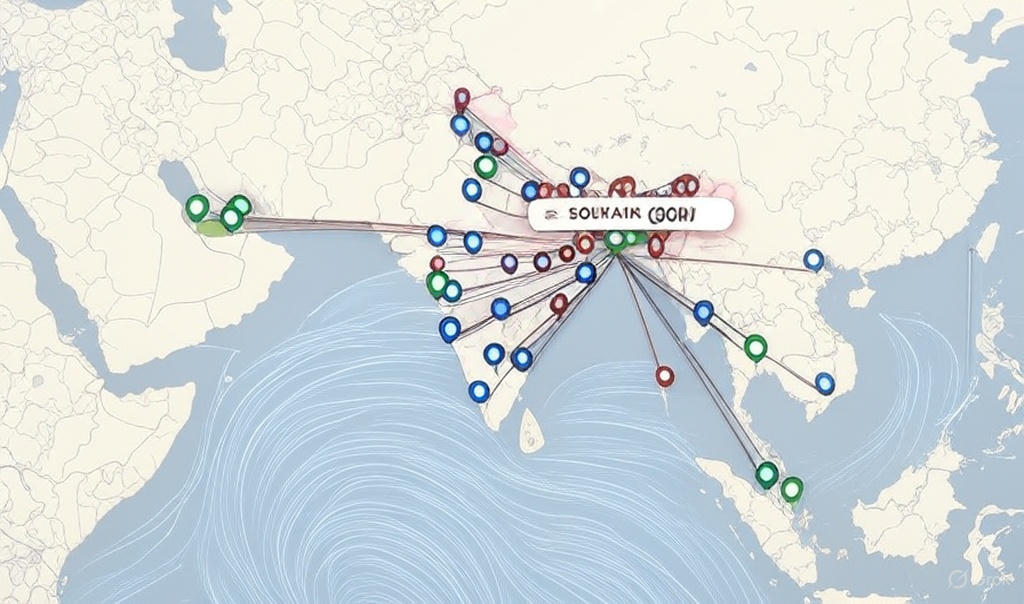
IndiGo, commanding a staggering 64.2% domestic market share as of August 2025, operates over 2,200 daily flights across 96 domestic routes and 45 international destinations, connecting 141 airports in 31 countries. Its fleet of 434 aircraft—mostly Airbus A320s—makes it the backbone of Indian aviation, ferrying about 118 million passengers annually. But on December 2, the first cracks appeared: delays and cancellations due to “crew constraints.” By December 5—the crisis’s lowest point—over 1,000 flights (more than half its schedule) were axed, including all domestic departures from Delhi’s Indira Gandhi International Airport until midnight. Airports in Bengaluru, Mumbai, Hyderabad, and Chennai saw hundreds grounded, with on-time performance plummeting to 8.5%.
The root cause? IndiGo’s failure to adapt to revised Flight Duty Time Limitations (FDTL) norms, enforced by the Directorate General of Civil Aviation (DGCA) on November 1, 2025. These rules, aimed at curbing pilot fatigue, extended weekly rest from 36 to 48 hours, redefined “night” duties as midnight to 6 a.m. (up from 5 a.m.), and slashed permissible night landings per pilot per week from six to two. IndiGo, relying on a lean “manpower strategy” to keep costs low, hadn’t hired enough pilots—short by over 50-100 captains and a similar number of first officers for its A320 fleet. Compounding this: winter fog, tech glitches, and airport congestion turned minor issues into a cascade of cancellations.
CEO Pieter Elbers, in a video apology on December 5, called it a “reboot” of systems, admitting “misjudgement and planning gaps” but blaming a “multitude of unforeseen challenges.” By December 7, operations had rebounded to 1,650 flights (from a low of 700 on December 5), with 95% network connectivity restored, and full stability eyed by December 10. Yet, the damage lingers: ₹610 crore in refunds processed, 3,000 bags returned, and lakhs of passengers rerouted via 89 special trains.
The New Norms: A Safety Imperative Long Overdue
India’s aviation boom—projected to be the world’s third-largest by 2026—has come at a cost: pilot fatigue. The DGCA’s FDTL overhaul, notified in January 2024 and phased in from July 2025, aligns with International Civil Aviation Organization (ICAO) standards to prevent errors from exhaustion. Originally slated for March 2024, airlines lobbied for delays, citing crew shortages; the DGCA relented for a staggered rollout, but enforced full compliance by November 1 following a Delhi High Court directive.
Key Changes in the New FDTL Norms
| Aspect | Old Norms (Pre-2025) | New Norms (From Nov 1, 2025) |
|---|---|---|
| Weekly Rest | 36 hours | 48 consecutive hours (no leave substitution) |
| Night Duty Window | Midnight to 5 a.m. | Midnight to 6 a.m. |
| Night Landings/Week | Up to 6 per pilot | Limited to 2 per pilot |
| Consecutive Nights | Unlimited (with limits on hours) | Max 2 consecutive nights |
| Fatigue Reporting | Quarterly (basic) | Mandatory quarterly reports + roster audits |
These aren’t arbitrary: A 2023 DGCA fatigue review, spurred by rising incidents, found Indian pilots averaging 800-900 flight hours annually—higher than global averages—leading to the High Court mandate. Other carriers like Air India and Akasa adapted by hiring proactively; IndiGo’s “unorthodox lean strategy” backfired.
Old vs. New: Why the Shift Was Non-Negotiable
Pre-2025 norms, dating to 2019, were relics of a smaller aviation era, ignoring post-pandemic fatigue spikes and ICAO’s push for “fatigue risk management systems” (FRMS). The old rules allowed excessive night ops—up to 10 hours in 24—contributing to errors like the 2020 Kozhikode crash, partly blamed on fatigue. New norms prioritize “human life,” as pilot unions emphasize, reducing error risks by 20-30% per ICAO data.
Critics, including the Federation of Indian Pilots, slam exemptions as “selective dispensation,” arguing they undermine safety for IndiGo’s sake. Yet, the DGCA’s one-time rollback (till February 10, 2026) is “conditional,” with biweekly reviews to prevent recurrence.
Government’s Heavy Hand: Fare Caps and Deadlines
Faced with fares quadrupling—Delhi-Bengaluru tickets hitting ₹1.02 lakh—the Ministry of Civil Aviation invoked the Bharatiya Vayuyan Adhiniyam on December 6, imposing emergency caps on economy fares (excluding business class and UDAN routes). These revive COVID-era controls (last used 2020-2022) to curb “opportunistic pricing.”
Distance-Wise Fare Caps (One-Way Economy, Excl. Taxes/Fees)
| Distance Slab | Max Fare (₹) |
|---|---|
| Up to 500 km | 7,500 |
| 500–1,000 km | 12,000 |
| 1,000–1,500 km | 15,000 |
| Above 1,500 km | 18,000 |
Caps hold “until full stabilization,” with real-time monitoring and penalties for violations. Air India proactively capped non-stop fares from December 4; others must comply or face “immediate corrective action.”
IndiGo must clear all refunds by 8 p.m. December 7 (₹610 crore processed so far), waive rescheduling fees till December 15, and return bags within 48 hours. A high-level probe, ordered by Minister K. Rammohan Naidu, targets accountability, with fortnightly FDTL compliance reports. Railways added 89 special trains with 116 coaches to ferry stranded flyers.
The government’s stance: Prioritize normalcy without compromising safety long-term. Naidu called the crisis “unanticipated” due to IndiGo’s “mismanagement,” vowing penalties post-probe.
DGCA: The Watchdog’s Dual Role
The DGCA, under the Ministry of Civil Aviation, regulates India’s skies: licensing pilots, certifying aircraft/airports, enforcing safety via FDTL/CARs, and probing incidents. It coordinates with ICAO for global alignment and promotes indigenous aviation.
In cancellations/delays (non-force majeure), DGCA mandates:
- Refund: Full within 7 days (credit card) or 30 days (cash).
- Alternate Flight: At no extra cost, or compensation: ₹5,000 (<2,500 km delay) to ₹10,000 (>2,500 km).
- Care: Meals/refreshments (2+ hrs delay), hotel/transport (overnight), communication (2+ hrs).
- Advance Notice: 14+ days for cancellations; less triggers compensation.
IndiGo’s lapses—poor communication, delayed refunds—drew a show-cause notice to CEO Elbers, extended to 6 p.m. December 8. A committee reviews the crisis biweekly.
CEO Elbers: “Progressive Improvement, But Trust to Rebuild”
In videos and letters, Elbers apologized: “We could not live up to our promise… a cascading impact from multiple challenges.” He cited FDTL as a factor but stressed “rebooting” rosters, thanking staff and vowing 75% OTP by December 7. Full normalcy: December 10; A320 compliance by February 2026. A Crisis Management Group (board-led) monitors recovery.
Voices of Dissent: Opposition and Unions Cry Foul
Opposition parties pounced: Akhilesh Yadav (SP) alleged IndiGo’s electoral bonds shielded it from accountability. Supriya Sule (NCP-SP) demanded parliamentary debate and five new airlines to break the duopoly. Rahul Gandhi (Congress) blamed Modi’s “monopoly model” for “cease of air travel.” P. Chidambaram called it a “massive failure,” urging sustained caps.
Pilot unions fumed at exemptions: ALPAI labeled it “selective,” endangering lives; FIP demanded no compromises on safety. A PIL in Delhi HC seeks judicial oversight; Supreme Court heard a similar plea but deferred to authorities.
Lessons from the Turmoil: Toward a Resilient Skies
The IndiGo crisis underscores aviation’s fragility in a duopoly (IndiGo + Air India: 91% share). FDTL norms are vital—fatigue kills—but enforcement needs teeth. Fare caps offer short-term relief, but long-term fixes demand antitrust scrutiny, faster hiring pipelines, and tech upgrades.
As Elbers rebuilds trust, passengers await accountability. India’s aviation ascent can’t afford such stumbles. Until then, check flight status religiously—and pack patience. Safe travels.